If you own mutual funds, you might wonder why you would need a separate portfolio tracker at all. Does your mutual fund not already show you everything, your transaction history, your performance, your return for the year? In practice, the tools most funds provide leave real gaps, and those gaps can cost you at tax time and give you a distorted picture of how your investment is actually doing.
The Problem With Your Mutual Fund’s Transaction History
Many mutual funds do not keep your full transaction history available to you. Some only show up to three years back, so if you have owned a fund longer than that, a chunk of your own buying and selling history is simply out of reach.
That missing history matters for two reasons. First, if you sell shares in a mutual fund, you need a complete record of your purchases to report your gain or loss to the IRS accurately. A partial history can lead to a partial, and potentially wrong, tax report. Second, a full history lets you track how your investment has actually performed over the entire time you have owned it, not just the last few years the fund happens to display.
The Problem With Your Mutual Fund’s Reported Return
Mutual funds typically report a single yearly return figure, but that figure is not necessarily your return. It reflects the change in the fund’s share price from the start of the year to the end, regardless of when you personally bought in.
Here is a simple example. Say a hypothetical mutual fund, ticker XRXRXR, trades at 100 dollars a share on January 1 and closes the year at 110 dollars a share. The fund reports a 10 percent gain for the year. Now say you actually bought your shares on July 1 at 90 dollars a share. Based on that closing price of 110 dollars, your real gain is closer to 22 percent, not 10. Or say you bought in later at 120 dollars a share. Based on that same 110 dollar closing price, you are actually down about 8 percent, even though the fund itself reported a 10 percent gain for the year. Relying on the fund’s headline number alone can leave you thinking you did better, or worse, than you really did.
How a Portfolio Tracker Solves Both Problems
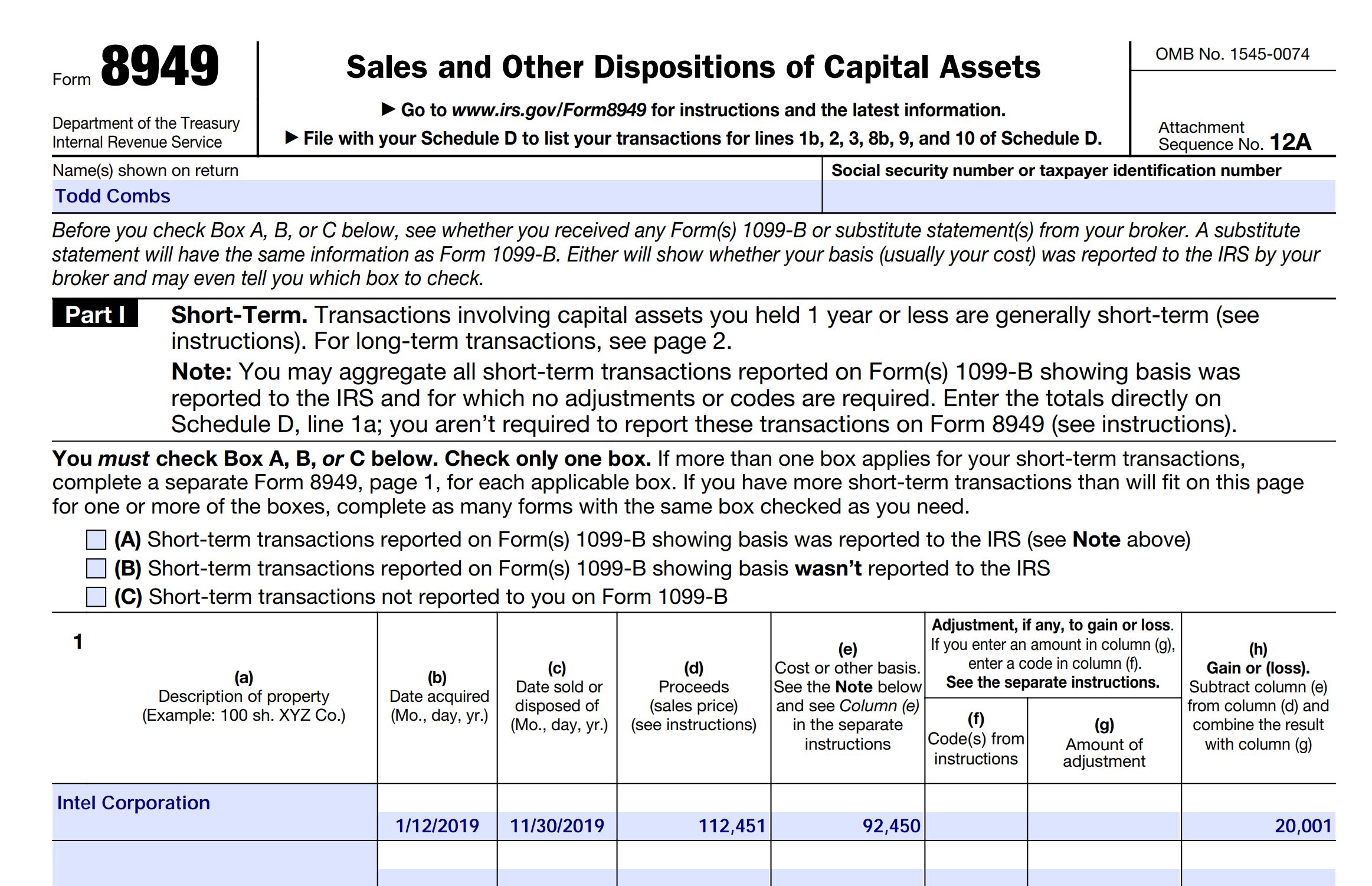
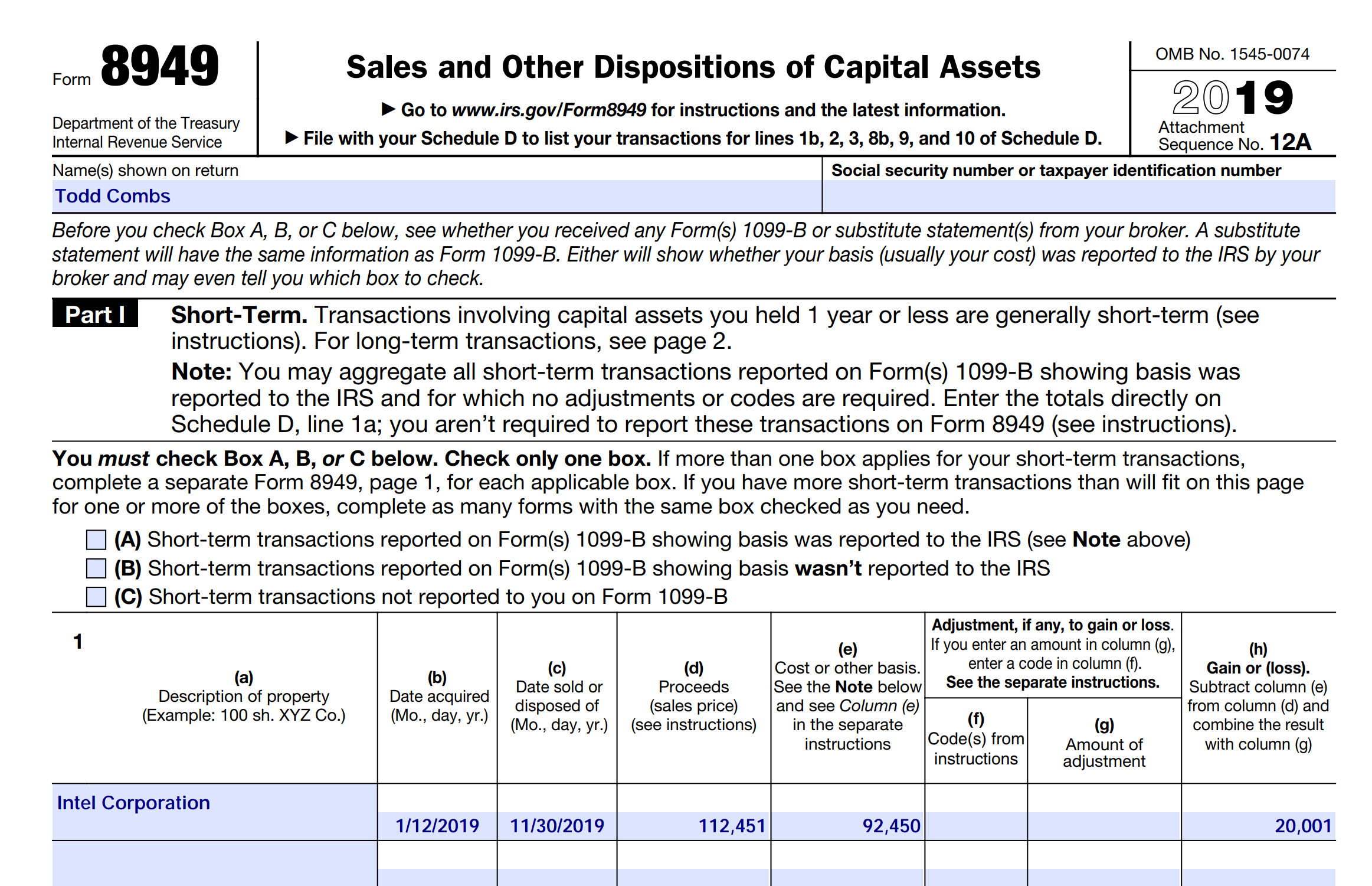
A dedicated portfolio tracker like EquityStat keeps your complete transaction history for as long as you use it, with no three year cutoff. That full record means you always have what you need to report gains or losses accurately, and EquityStat can generate IRS Form 8949 directly from that same transaction data when it comes time to calculate the gain or loss on any mutual fund shares you sell.
EquityStat also calculates your annualized return based on the actual dates you purchased and sold your shares, not on the fund’s own start of year to end of year snapshot. That means the return you see reflects what you personally earned, not just what the fund’s share price happened to do over the calendar year.